
1. Introduction
When you’re recovering from an illness, getting back to your usual routine can feel overwhelming. While many exercise forms may be too intense or demanding for your body, yoga provides a gentle, accessible way to regain strength, flexibility, and vitality. With its focus on slow, intentional movements and deep breathing, yoga can help your body recover naturally, allowing you to reconnect with yourself during a healing period.
Yoga isn’t about pushing your body to its limits; it’s about listening to your body and nurturing it with calm and restorative practices. Whether you’ve been recovering from a cold, surgery, or other health challenges, yoga can support you as you move towards complete recovery. click here
2. What is Yoga for Recovery
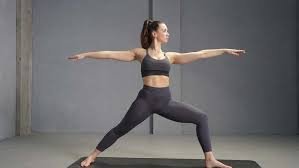
Yoga for recovery is an approach that uses gentle movements, stretching, and deep breathing techniques to support the healing process. Unlike intense exercise, which might place strain on a body that’s already weak, yoga helps by easing tension, improving blood circulation, and promoting relaxation.
Practicing yoga while sick can help address physical discomforts like stiffness or fatigue, and emotional stress like anxiety or depression. Yoga for recovery is about being patient with your body and allowing it to heal at its own pace, instead of rushing through the process.
3. How Yoga Helps with Healing
Yoga helps the body heal in multiple ways:
- Restores Balance: Yoga encourages balance within the body, mind, and spirit. It helps you focus on the present moment, which can be crucial for mental health and stress reduction.
- Improves Flexibility: Gently stretching your muscles can help you regain flexibility lost during illness. This flexibility improves mobility and promotes recovery of strength.
- Boosts Immune System: Yoga enhances immune function by reducing stress hormones and promoting the activity of the lymphatic system, which helps to eliminate toxins and support recovery.
- Supports Rehabilitation: For those recovering from injury or surgery, yoga can aid in physical rehabilitation. Through slow and careful movements, yoga improves joint mobility, restores muscle strength, and increases overall body awareness.
4. The Role of Breathing in Recovery
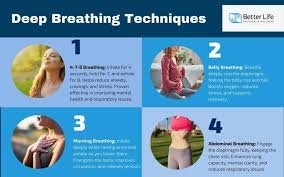
Breathing is a core component of yoga practice. Pranayama, or the practice of controlled breathing, plays a significant role in the healing process by:
- Increasing Oxygen Supply: Controlled breathing helps maximize oxygen intake, which is essential for the body’s healing and repair processes.
- Reducing Anxiety: Deep, slow breaths calm the nervous system and reduce feelings of anxiety or panic that often accompany illness.
- Improving Circulation: Breathwork enhances blood circulation, allowing oxygen and nutrients to flow more freely through the body, which helps tissues heal and recover.
Breathing exercises can also stimulate the body’s relaxation response, which is important for easing symptoms like insomnia or fatigue that often accompany illness.
5. Benefits of Yoga During Illness
Reduces Stress
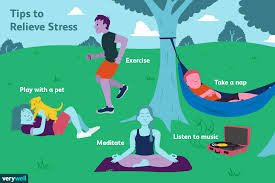
Yoga can lower levels of cortisol (the stress hormone), helping to relieve tension in both the body and mind. Stress weakens the immune system, so reducing it allows the body to recover faster. Meditation and deep breathing techniques used in yoga can also promote emotional well-being during times of illness.
Improves Sleep

Sick individuals often experience difficulty sleeping due to discomfort, pain, or anxiety. Yoga can be incredibly effective in improving sleep quality. Gentle stretching and breathing exercises before bed can relax your muscles and calm your mind, making it easier to fall asleep and stay asleep.
Enhances Circulation
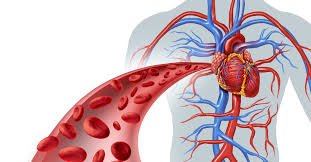
Yoga promotes better circulation by encouraging deep, rhythmic breathing and stretching. This can help in delivering oxygen and nutrients to cells more efficiently, speeding up the healing process. Increased circulation also supports the detoxification process by helping to flush out toxins.
Boosts Mood

Sick or unwell individuals often experience feelings of depression or anxiety. Yoga can help release endorphins, which are natural mood boosters. It also provides a sense of accomplishment and control, which can improve mental well-being during a recovery period.
Supports Digestion

Yoga poses like twists and gentle stretches stimulate the digestive organs and can help alleviate symptoms like bloating, constipation, and indigestion. If your illness has affected your digestive system, certain yoga poses can help regulate and improve digestive function.
6. Essential Yoga Poses for Healing
Here’s a breakdown of some key poses to practice while recovering:
Child’s Pose Balasana
A restorative pose that stretches the back, hips, and thighs. It also promotes deep relaxation. It can be held for extended periods, helping to calm your mind and ease physical tension.
Cat Cow Pose Marjaryasana Bitilasana
Helps to warm up the spine and improve flexibility in the neck and back. This pose can help release tension, especially in the upper body, which is common when you’re sick.
Legs Up the Wall Pose Viparita Karani
This restorative pose helps improve circulation, relax the nervous system, and reduce stress. It also relieves fatigue, which is common during recovery.
Seated Forward Fold Paschimottanasana
A simple yet effective pose for stretching the back and calming the nervous system. It also helps improve digestion.
– Reclining Bound Angle Pose (Supta Baddha Konasana)
This gentle pose helps open the hips and relax the body. It can be especially soothing for those recovering from surgeries or illness.
7. How to Practice Yoga While Sick
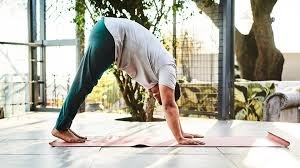
Here are some tips for safely practicing yoga while recovering:
Listen to Your Body
Pay attention to your body’s signals. If a pose feels too intense, back off and take a break. It’s okay to modify poses or skip them if necessary.
Use Props for Support
Using props like cushions, blocks, or bolsters can help make certain poses more comfortable. Props allow you to find the right alignment without straining your body.
Start Slow
If you’re just starting yoga, keep your sessions short (10–15 minutes) and focus on gentle stretches. As you begin to feel stronger, you can increase the time and complexity of your practice.
Stay Hydrated
Drink plenty of water to stay hydrated, which is especially important when recovering from illness. Staying hydrated will help your body function properly and aid in recovery.
Rest as Needed
Don’t be afraid to take breaks between poses or even lie down if needed. Rest is a crucial part of healing.
8. Guidelines for Practicing Yoga During Different Stages of Recovery
Early Recovery Phase
During the early phase of recovery, focus on deep breathing exercises, gentle stretches, and restorative poses. Avoid any strenuous movements.
Mid Recovery Phase
As you feel stronger, you can begin incorporating more movement into your practice. Start adding dynamic poses like the Cat-Cow or Seated Forward Fold to build strength.
Advanced Recovery Phase
Once you’re feeling better and your strength has returned, you can begin practicing more active forms of yoga. However, always keep the pace slow and steady, and listen to your body.
9. Yoga for Mental Clarity and Emotional Healing
In addition to physical benefits, yoga is highly beneficial for mental clarity. The practice of mindfulness, coupled with breathing exercises, helps clear the mind of stress and emotional clutter. It supports emotional healing by allowing you to reconnect with yourself and let go of negative emotions like anxiety or frustration that may arise during illness.
10. Precautions and When to Avoid Yoga
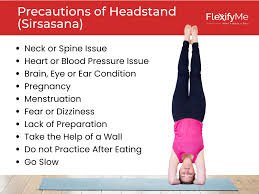
While yoga can be a great tool for recovery, there are times when it may not be appropriate. If you are experiencing fever, extreme fatigue, dizziness, or other serious symptoms, it’s important to consult with your doctor before practicing yoga. Always prioritize your health and well-being.
Table of Contents
Conclusion
Introduction
What is Yoga for Recovery?
How Yoga Helps with Healing
The Role of Breathing in Recovery
Benefits of Yoga During Illness
Reduces Stress
Improves Sleep
Enhances Circulation
Boosts Mood
Supports Digestion
Essential Yoga Poses for Healing
Child’s Pose (Balasana)
Cat-Cow Pose (Marjaryasana-Bitilasana)
Legs-Up-the-Wall Pose (Viparita Karani)
Seated Forward Fold (Paschimottanasana)
Reclining Bound Angle Pose (Supta Baddha Konasana)
How to Practice Yoga While Sick
Listen to Your Body
Use Props for Support
Start Slow
Stay Hydrated
Rest as Needed
Guidelines for Practicing Yoga During Different Stages of Recovery
Early Recovery Phase
Mid-Recovery Phase
Advanced Recovery Phase
Yoga for Mental Clarity and Emotional Healing
Precautions and When to Avoid Yoga
11. Conclusion
Yoga for sick recovery is a gentle and effective way to nurture your body and support your healing process. Whether you’re recovering from a cold, surgery, or any other illness, yoga can help speed up recovery, reduce stress, improve mood, and restore balance. By focusing on mindful movements, deep breathing, and relaxation, you give your body the care it needs to heal.
Remember, yoga is not about pushing your limits—it’s about being patient and compassionate with your body as it recovers. Always listen to your body and make modifications when necessary. With consistency and care, yoga can be a powerful ally in your journey to wellness.